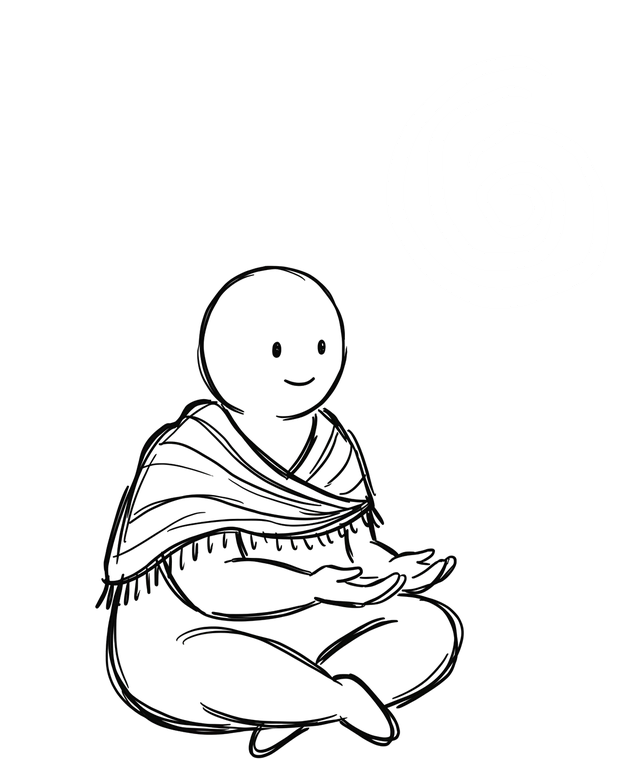

The Caregiver: the part of you that looks after everyone
The Caregiver notices who is hurting before anyone says a word. It is warm, loyal and quick to help, often before it checks on itself.
What the Caregiver does
The Caregiver keeps the people around you fed, safe and heard. It reads moods, remembers the hard dates, and shows up. It protects your bonds with others. Often it also keeps your own needs out of sight, because looking after others feels safer.
Other names: The Caretaker, The Nurturer, The Helper, The Carer
When it is healthy
A healthy Caregiver gives because it wants to, not because it has to. It can help, and it can also say not today.
“I want to help, and I can do it after I eat something.”
“Let me sit with them for a while. I am not going anywhere.”
When it is in shadow
In shadow, the Caregiver gives until it is empty. It says yes when it means no, and slowly the love turns into quiet resentment. It starts to believe it only matters when it is needed.
“Their pain matters. Mine can wait. It can always wait.”
“After all I have done, nobody even asks how I am.”
What the Caregiver needs
The Caregiver needs some of the care it gives away. Thank it for how much it holds. Then ask what it fears would happen if it said no once, or asked for help itself.
A small practice
Who looks after the helper
- Write down three people you looked after this week.
- Under them, write your own name.
- Next to your name, write one small kind thing you could do for yourself today.
- Do it, or put it in your calendar for later today.
- Notice how the Caregiver feels about getting instead of giving.
Who the Caregiver argues with
- Caregiver and Warrior
The Warrior wants to set a boundary, and the Caregiver worries that saying no is unkind.
- Caregiver and Achiever
The Achiever pulls toward goals. The Caregiver pulls toward people. Each one feels the other is leaving someone behind.
The Caregiver archetype: common questions
What is the Caregiver archetype?
The Caregiver is the part of you that nurtures, protects and helps. Some people call it the caretaker. It shows up in parents, friends, nurses, teachers and anyone who notices what others need. In InnerOS its question is: who needs tending?
What are the traits of the Caregiver archetype?
The main traits of the Caregiver are warmth, patience, loyalty and a sharp eye for what others need. It listens well, shows up in hard times, and often puts others first. Out of balance, the same traits turn into giving too much and finding it hard to say no.
Why do caregivers burn out?
Often because the Caregiver part has no off switch and no one looking after it. It keeps giving after the tank is empty. Noticing your own needs early, and saying one small no, gives it a chance to refill.
Is the Caregiver the same as a people pleaser?
Not quite. People-pleasing is one shadow of the Caregiver, driven by a fear of being rejected. A healthy Caregiver helps out of real warmth and can still say no without guilt.
Your journal is encrypted with a key that belongs to you alone (AES-256). The keys are kept on our servers, so it is not end-to-end encrypted.
InnerOS is not therapy
InnerOS is a place to listen to yourself. It is not therapy and it cannot treat or diagnose anything. It is not for a crisis. If you are in crisis or in danger, please reach out to a crisis line or a licensed professional right now.
Hear Me Speak in Your Council
I am just one of 10 parts inside you. Get the app and bring me a real question.
Try it free for 14 daysOr meet your loudest part first14-day free trial. Then $19.99/month or $79.99/year.