

The 10 Jungian Archetypes
The 10 archetypes in InnerOS are the Warrior, the Sage, the Lover, the Achiever, the Caregiver, the Creator, the Explorer, the Sovereign, the Trickster and the Wounded Healer. An archetype is a pattern of feeling and acting that people share everywhere. In InnerOS, each one is a part of you with its own voice. You write what is on your mind, and they answer, one at a time.
Lists of archetypes differ from book to book and site to site. InnerOS works with these ten.
What is an archetype?
Carl Jung used the word archetype for a pattern that shows up in people all over the world. Think of the one who protects, the one who cares, the one who makes things, the one who asks why.
These are not personality types. You do not pick one and stay in it. All ten live in you, and some are louder than others at different times. When you are stuck, it is often because two of them want different things.
That is the idea behind InnerOS. Instead of one voice in your head going in circles, each part gets its own turn to speak.
Meet the ten
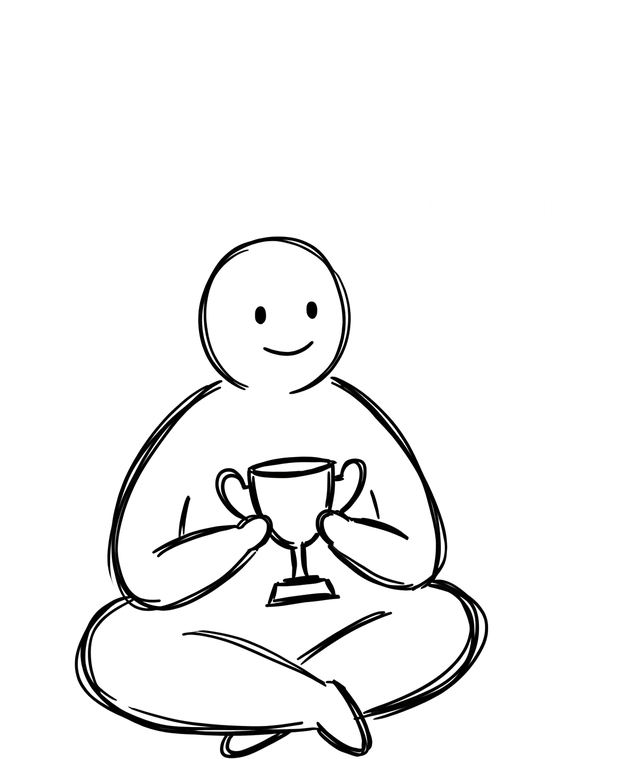
The Warrior archetype
The Warrior archetype is the part that protects what matters. It sets boundaries and acts when things get hard.
When it gets too loud: it turns hard and keeps fighting after the fight is over.
The Sage archetype
The Sage archetype is the part that steps back to understand before acting. It looks for the pattern.
When it gets too loud: it keeps studying so it never has to decide.
The Lover archetype
The Lover archetype is the part that reaches for closeness. It feels deeply and wants to be truly seen.
When it gets too loud: it loses itself in other people and needs to be wanted to feel real.
The Achiever archetype
The Achiever archetype is the part that turns a wish into finished work. It sets goals and keeps going.
When it gets too loud: it cannot stop, and rest feels like something to earn.
The Caregiver archetype
The Caregiver archetype is the part that looks after others. It notices who is hurting and offers steady care.
When it gets too loud: it gives until it is empty, and needs to be needed.
The Creator archetype
The Creator archetype is the part that makes something new. It imagines, builds, and wants the work to be its own.
When it gets too loud: it never lets work be finished, because nothing is good enough.
The Trickster archetype
The Trickster archetype is the part that questions the official story. It uses humor to break rules that no longer fit.
When it gets too loud: it jokes so nothing can ever be held against it.
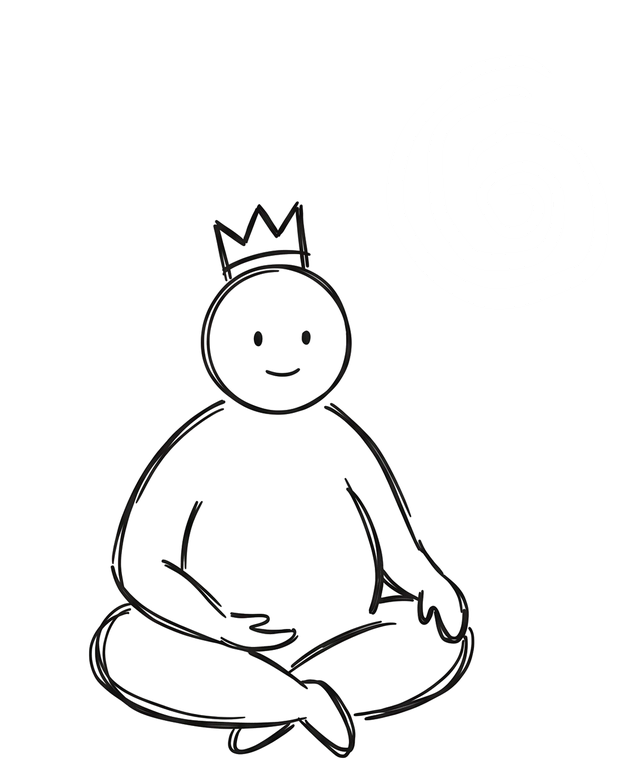
The Sovereign archetype
The Sovereign archetype is the part that takes final responsibility. It sees the whole picture and makes the call.
When it gets too loud: it holds on tight and needs to be obeyed instead of trusted.
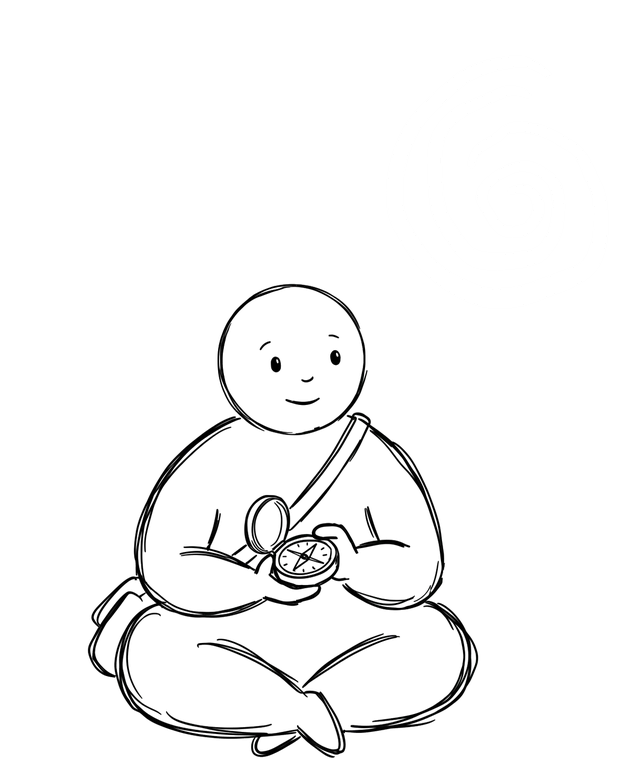
The Explorer archetype
The Explorer archetype is the part that needs to see what else is out there. It looks for new ground.
When it gets too loud: it keeps moving so it never has to arrive.
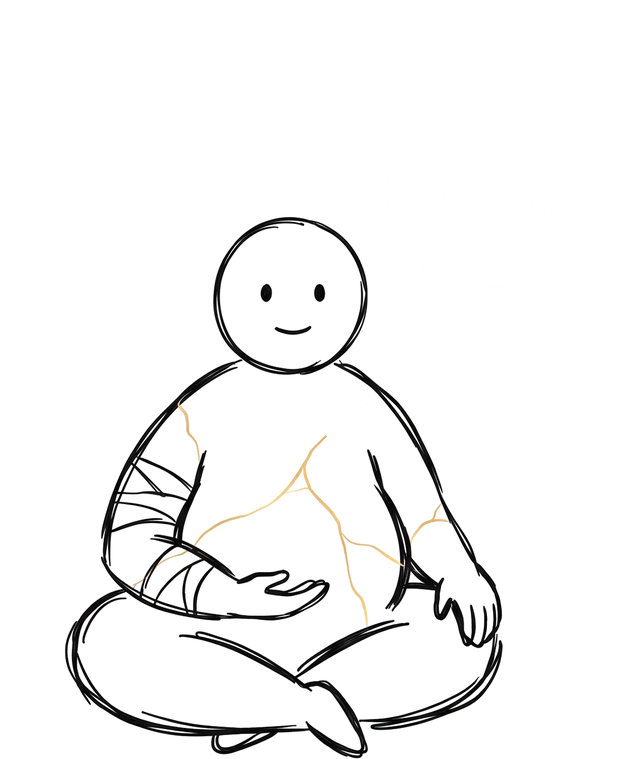
The Wounded Healer archetype
The Wounded Healer archetype is the part that turns its own hurt into understanding. It can sit with pain in others.
When it gets too loud: it stays tied to the old hurt and helps others to avoid its own.

















Where Jung meets parts work
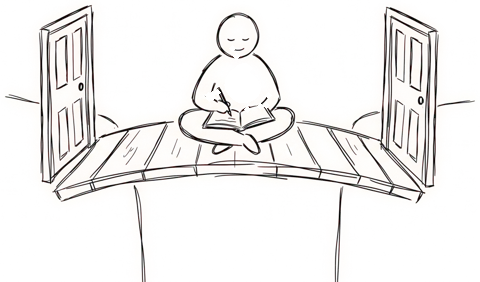
InnerOS borrows from two ideas. One is Jung's idea that people share deep patterns, the archetypes. The other is Internal Family Systems (IFS), the idea that the mind has many parts, like an inner family, and that underneath them there is a calm you who can listen.
So you are not asked to be one archetype. You are invited to hear all of them. Then you decide what to do next.
Which part speaks loudest?
Eighteen moments, about three minutes. No sign-up, nothing leaves your device unless you ask.
Take the quiz

Want to talk with them? InnerOS is free to try for 14 days. Try it free
InnerOS is not therapy, and it is not for a crisis. Many people use it between therapy sessions.
Questions about the archetypes
How many archetypes are in InnerOS?
Ten: the Warrior, Sage, Lover, Achiever, Caregiver, Creator, Explorer, Sovereign, Trickster and Wounded Healer. Lists elsewhere count them differently. InnerOS works with these ten.
What is a Jungian archetype?
A Jungian archetype is a pattern of feeling and acting that shows up in people everywhere. Carl Jung used the word for these shared patterns. In InnerOS, each archetype is a part of you with its own voice.
Which archetype am I?
You are not just one. All ten live in you, and some are louder than others right now. The free quiz takes about three minutes and shows which part is loudest.
Is an archetype the same as an IFS part?
Not exactly. Both ideas say the mind has more than one voice. Archetypes are patterns people share. In Internal Family Systems, parts are the voices inside one person, and Self is the calm center under them. In InnerOS you write what is on your mind, and your parts answer, one at a time. Any of the ten can speak.
What is a shadow archetype?
The shadow is how an archetype acts when it is stressed or too loud. The Warrior can turn hard. The Caregiver can give until empty. Seeing the shadow is not a hunt for flaws. It helps you notice when a part is working too hard for you.
Is InnerOS therapy?
No. InnerOS is not therapy, and it is not for a crisis. Many people use it between therapy sessions. If you are in danger right now, find a helpline.