The Trickster: the part of you that will not play along
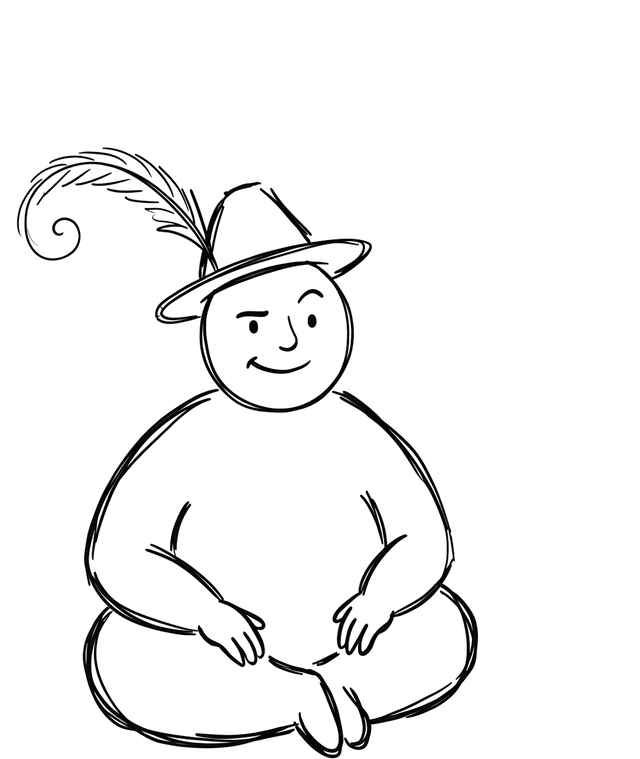
The Trickster laughs when everyone else is stiff. It bends the rules to show what is real, and it is often right.
What the Trickster does
The Trickster lets the air out when things get too tight. It is the disruptor inside: it spots what is fake, says what no one else will say, and turns the problem upside down. It protects you from rules that stopped making sense, and from pain so heavy it would crush you if you never laughed.
Other names: The Disruptor, The Fool, The Jester, The Rule-Breaker
When it is healthy
A healthy Trickster is funny and honest at the same time. Its jokes open a door instead of slamming one.
“Oh good, another crisis. Let me guess. It is due tomorrow?”
“What if we did the exact opposite, just to see what happens?”
When it is in shadow
In shadow, the Trickster becomes a disruptor with no aim. It uses jokes as a wall, dodges every real moment, mocks what matters, and stirs up trouble so it does not have to feel. Nothing is safe, so nothing gets trusted.
“Feelings? Ha. Next topic.”
“If I laugh first, nobody gets to laugh at me.”
What the Trickster needs
The Trickster needs one place where it can be honest without the joke. Thank it for keeping things light. Then ask what the joke is covering, and what it fears would happen if it went quiet for a moment.
A small practice
Flip it
- Write down one thing you are taking very seriously right now.
- Write the silliest, most over-the-top version of it you can think of.
- Read it and let yourself smile if a smile comes.
- Now write one true, plain sentence about the real thing.
- Notice which one felt lighter to write, and why.
Who the Trickster argues with
- Trickster and Sovereign
The Sovereign wants order, and the Trickster wants to play with every rule it makes.
- Trickster and Wounded Healer
The Wounded Healer wants to stay with the hard feeling, and the Trickster reaches for a joke to get out of it.
The Trickster archetype: common questions
What is the Trickster archetype?
The Trickster is the part that breaks rules, plays jokes and turns things upside down. Jung wrote a whole essay about it and saw it in the clowns and tricksters of myths all over the world. In InnerOS its question is: what's the joke here?
What are examples of the Trickster archetype?
In stories, Loki, Coyote, Anansi and the court jester are all tricksters. In real life, it is the friend who breaks the tension with the perfect line, or the voice in you that asks why we are doing it this way at all.
Is the Trickster archetype good or bad?
Neither. It is a part with a job. When it is healthy, it brings play, honesty and fresh ideas. In shadow, it can mislead or wound. The same wit can open a door or close one.
Is the Trickster a disruptor?
Yes. Disruptor is one of the Trickster's other names. It breaks up patterns that have gone stiff, like a rule nobody questions or a mood nobody names. A healthy disruptor shakes things loose so something truer can show. In shadow, it stirs up trouble just to avoid feeling.
Your journal is encrypted with a key that belongs to you alone (AES-256). The keys are kept on our servers, so it is not end-to-end encrypted.
InnerOS is not therapy
InnerOS is a place to listen to yourself. It is not therapy and it cannot treat or diagnose anything. It is not for a crisis. If you are in crisis or in danger, please reach out to a crisis line or a licensed professional right now.
Hear Me Speak in Your Council
I am just one of 10 parts inside you. Get the app and bring me a real question.
Try it free for 14 daysOr meet your loudest part first14-day free trial. Then $19.99/month or $79.99/year.